


If you’re looking for a healthy bread that’s gentle on digestion yet full of flavor, this high-fiber millet bread is the perfect choice. Made from whole soaked millet, kefir, and psyllium husk, it’s naturally gluten-free, rich in nutrients, and easy to make in a blender. The result is a soft, hearty loaf that supports gut health and keeps you feeling full longer — no flour or yeast required.
🌾 Why Millet Bread?
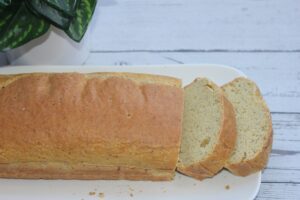
Millet bread is a wholesome alternative to regular wheat bread — naturally gluten-free, high in fiber, and packed with essential nutrients. Millets are ancient grains rich in magnesium, iron, and B vitamins, making them great for energy and overall well-being. Because millet is gentle on the digestive system, it’s ideal for anyone with gluten sensitivity or looking to support gut health.
Unlike refined flours, whole soaked millet keeps all its fiber and nutrients intact, giving your bread a mild, nutty flavor and a hearty texture. It’s the perfect choice if you want a simple, real-food bread that nourishes your body and tastes delicious too.
🥣Ingredients for Millet Bread
-
1 cup raw millet, soaked for 6–8 hours (or overnight)
-
2 large eggs
-
½ cup kefir
-
2 tablespoons olive oil
-
1 teaspoon baking powder
-
1 tablespoon psyllium husk (read a note)
-
½ teaspoon salt, or to taste
Optional add-ins:
-
1 teaspoon honey or maple syrup for a hint of sweetness
-
Herbs, seeds, or spices for extra flavor
NOTE: If your batter is already thick enough, psyllium is optional, but it does help improve structure and adds extra fiber.
👩🍳Step-by-Step Instructions
1. Soak the millet
Rinse 1 cup of raw millet, then soak it in water for at least 6–8 hours or overnight. This softens the grains and makes them easier to blend and digest.
2. Drain and blend
Drain the soaked millet well. Add it to a blender with eggs, kefir, olive oil, baking powder, psyllium husk, and salt.
3. Blend until smooth
Blend until you get a thick, slightly textured batter — it should look like pancake or muffin batter. If it’s too thick to blend, add a splash of kefir or water.
4. Let it rest
Allow the batter to sit for 10–15 minutes. The psyllium husk will absorb moisture and thicken the mixture.
5. Prepare the pan
Grease a small loaf pan or line it with parchment paper. Preheat your oven to 180°C (350°F).
6. Bake the bread
Pour the batter into the prepared pan and smooth the top. Bake for 45–55 minutes, or until the top is golden and a toothpick inserted in the center comes out clean.
7. Cool completely
Let the bread cool in the pan for 10 minutes, then transfer it to a rack. Cool completely before slicing — this helps it firm up and slice neatly.
🌿The Digestive Benefits of This Recipe
This millet bread isn’t just delicious — it’s designed to be gentle on your digestive system and packed with gut-friendly ingredients. Here’s why:
-
Kefir: Rich in probiotics, kefir supports a healthy gut microbiome and aids digestion. It also helps naturally leaven the bread, giving it a subtle tang.
-
Psyllium husk: A high-fiber binder that absorbs water, psyllium helps regulate bowel movements and adds structure to this gluten-free bread without the need for flour.
-
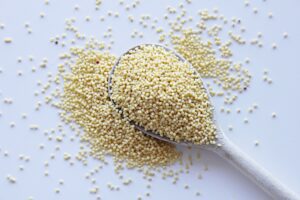
Whole soaked millet: Soaking the millet softens the grains and reduces naturally occurring antinutrients, making it easier to digest while keeping fiber and nutrients intact.
-
Gluten-free and minimally processed: This bread avoids wheat and refined flours, which can irritate sensitive stomachs, making it ideal for anyone looking to support gut health.
😋Texture, Taste & Serving Ideas
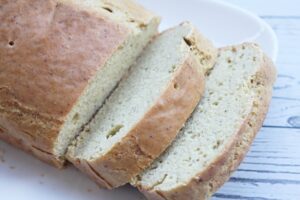
This high-fiber millet bread has a soft, slightly dense texture with a pleasantly nutty flavor from the whole soaked millet. The kefir adds a subtle tang, while psyllium husk keeps the bread moist and tender — perfect for slicing without crumbling.
Serving ideas:
-
Toast it and top with avocado, nut butter, or your favorite jam for a wholesome breakfast.
-
Pair with soups or stews as a hearty, gluten-free side.
-
Make a sandwich using your favorite fillings — eggs, veggies, or lean protein work wonderfully.
-
Snack on its own for a nutrient-rich, high-fiber bite any time of day.
This versatile bread is not only delicious and satisfying, but also supports your digestive health with every slice.
🗄️Storage & Shelf Life
To keep your high-fiber millet bread fresh and delicious:
-
Room temperature: Store in an airtight container for up to 2 days.
-
Refrigerator: Keeps for 3–4 days in a sealed container — the cooler temperature helps maintain freshness and texture.
-
Freezing: Slice the bread and freeze for up to 2 months. Toast or warm slices directly from the freezer for a quick, nutritious snack.
Tip: Millet bread tends to firm up as it cools, so always allow it to cool completely before storing or slicing. This helps maintain its structure and makes it easier to handle.
FAQ
Q1. Can I make this millet bread vegan? I haven’t personally tried making this bread vegan yet, so I can’t guarantee the results. However, in theory, you could replace the eggs with flax eggs (1 tablespoon ground flaxseed + 3 tablespoons water per egg, let sit 5 minutes) and use a plant-based kefir or yogurt. The texture may be slightly denser, but it should still work.
Q2. Do I have to soak the millet? Soaking softens the grains, makes them easier to blend, and improves digestibility. You can soak overnight or for at least 6–8 hours. Quick soaking (1–2 hours) may work, but the bread will be less soft.
Q3. Can I use millet flour instead of whole soaked millet? Yes, but you’ll need less liquid. Start with about 1 cup millet flour and adjust kefir/water until the batter is thick but pourable. Baking time may be slightly shorter.
Q4. Why is psyllium husk important in this recipe? Psyllium husk acts as a natural binder and helps the bread hold together, especially since millet is gluten-free. In this recipe, I added psyllium because my batter was a bit too liquid. If your batter is already thick enough, psyllium is optional, but it does help improve structure and adds extra fiber.
Q5. How can I make the bread less dense? Separate the eggs and whip the whites before folding them into the batter. This adds air and lightens the texture.
More Healthy Eats
Gluten-Free Banana Bread (No Added Sugar!)
Vegan Coconut Corn Chowder | Healthy & Delicious
Healthy Chocolate Cherry Overnight Oats
Hearty White Bean Casserole: Easy Family-Friendly Dinner
Mediterranean Beetroot Salad with Arugula
High-Fiber Millet Bread for Easy Digestion
Equipment
- 1 mixing bowl
- 1 High speed blender
- 1 loaf pan 8×4 inches
Ingredients
- 1 cup raw millet soaked for 6–8 hours (or overnight)
- 2 large eggs
- ½ cup kefir
- 2 Tbsp olive oil
- 1 tsp baking powder
- 1 Tbsp psyllium husk (read a note)
- ½ tsp salt or to tast
Optional add-ins:
- 1 tsp honey or maple syrup for a hint of sweetness
- Herbs, seeds, or spices for extra flavor
NOTE: If your batter is already thick enough, psyllium is optional, but it does help improve structure and adds extra fiber.
Instructions
- 1. Soak the millet. Rinse 1 cup of raw millet, then soak it in water for at least 6–8 hours or overnight. This softens the grains and makes them easier to blend and digest.
- 2. Drain and blend. Drain the soaked millet well. Add it to a blender with eggs, kefir, olive oil, baking powder, psyllium husk, and salt.
- 3. Blend until smooth. Blend until you get a thick, slightly textured batter — it should look like pancake or muffin batter. If it’s too thick to blend, add a splash of kefir or water.
- 4. Let it rest. Allow the batter to sit for 10–15 minutes. The psyllium husk will absorb moisture and thicken the mixture.
- 5. Prepare the pan. Grease a small loaf pan or line it with parchment paper. Preheat your oven to 180°C (350°F).
- 6. Bake the bread. Pour the batter into the prepared pan and smooth the top. Bake for 45–55 minutes, or until the top is golden and a toothpick inserted in the center comes out clean.
- 7. Cool completely. Let the bread cool in the pan for 10 minutes, then transfer it to a rack. Cool completely before slicing — this helps it firm up and slice neatly.
Notes
- Millet contributes most of the carbs and fiber.
- Eggs and olive oil contribute protein and healthy fats.
- Kefir adds a small amount of protein, calcium, and probiotics.
- Psyllium adds extra fiber.
Nutrition